



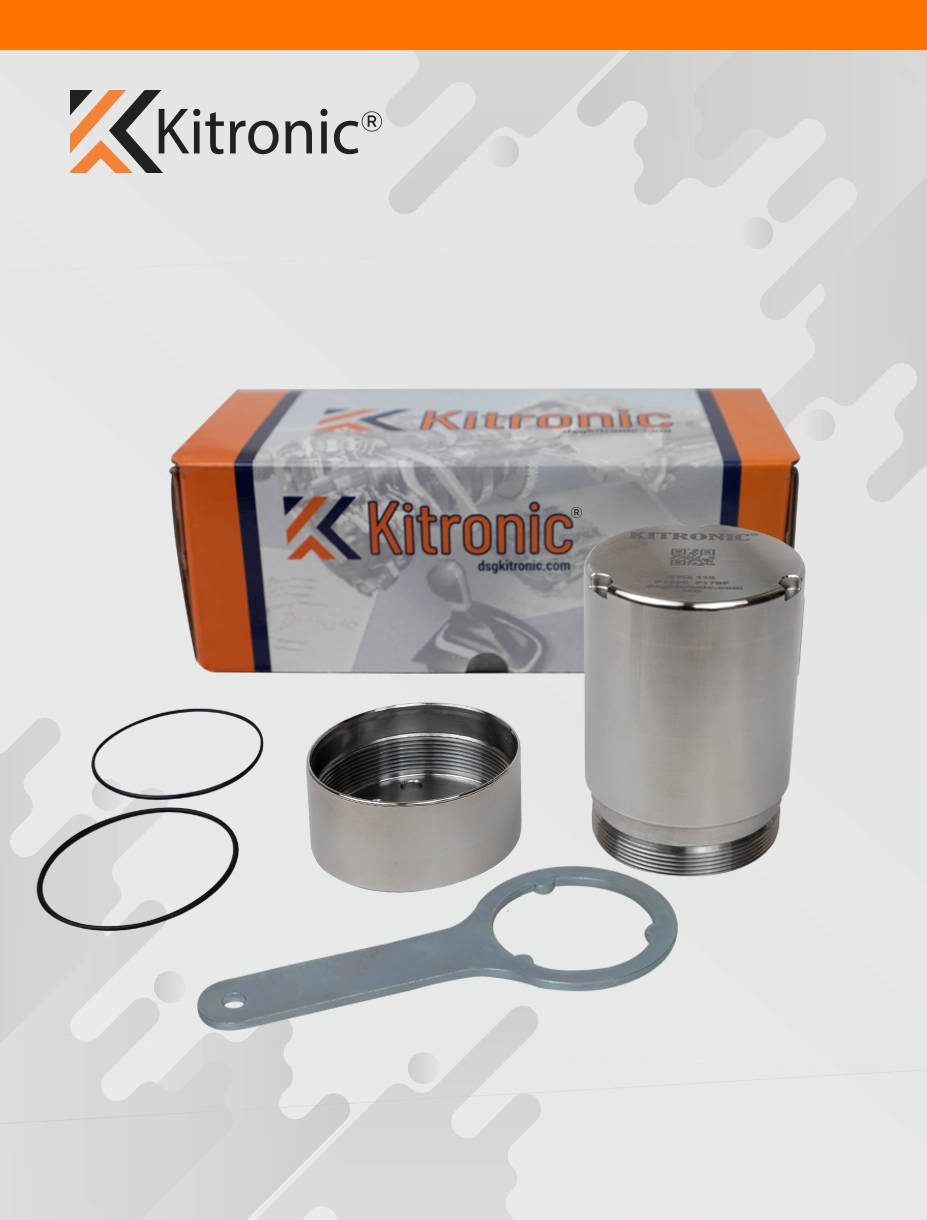
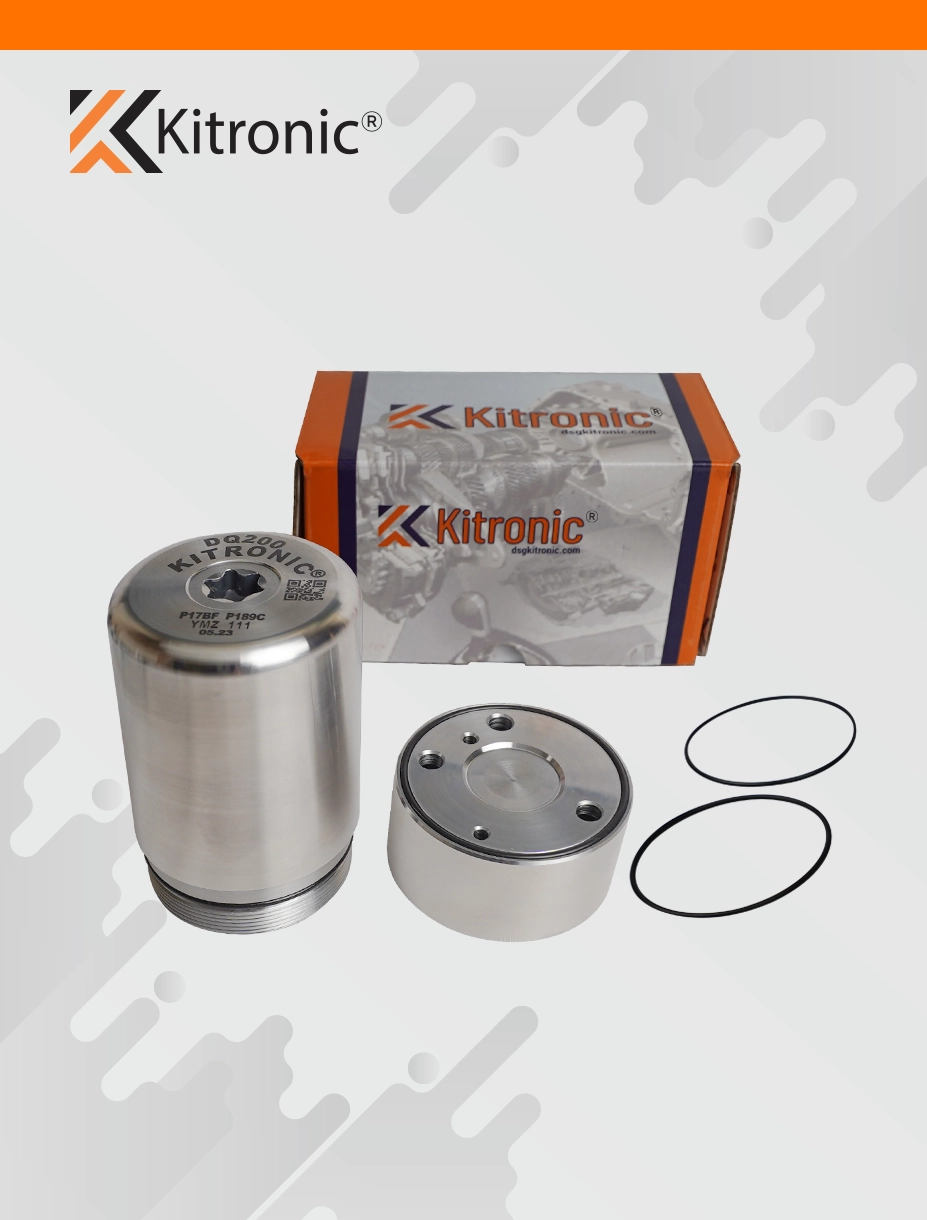
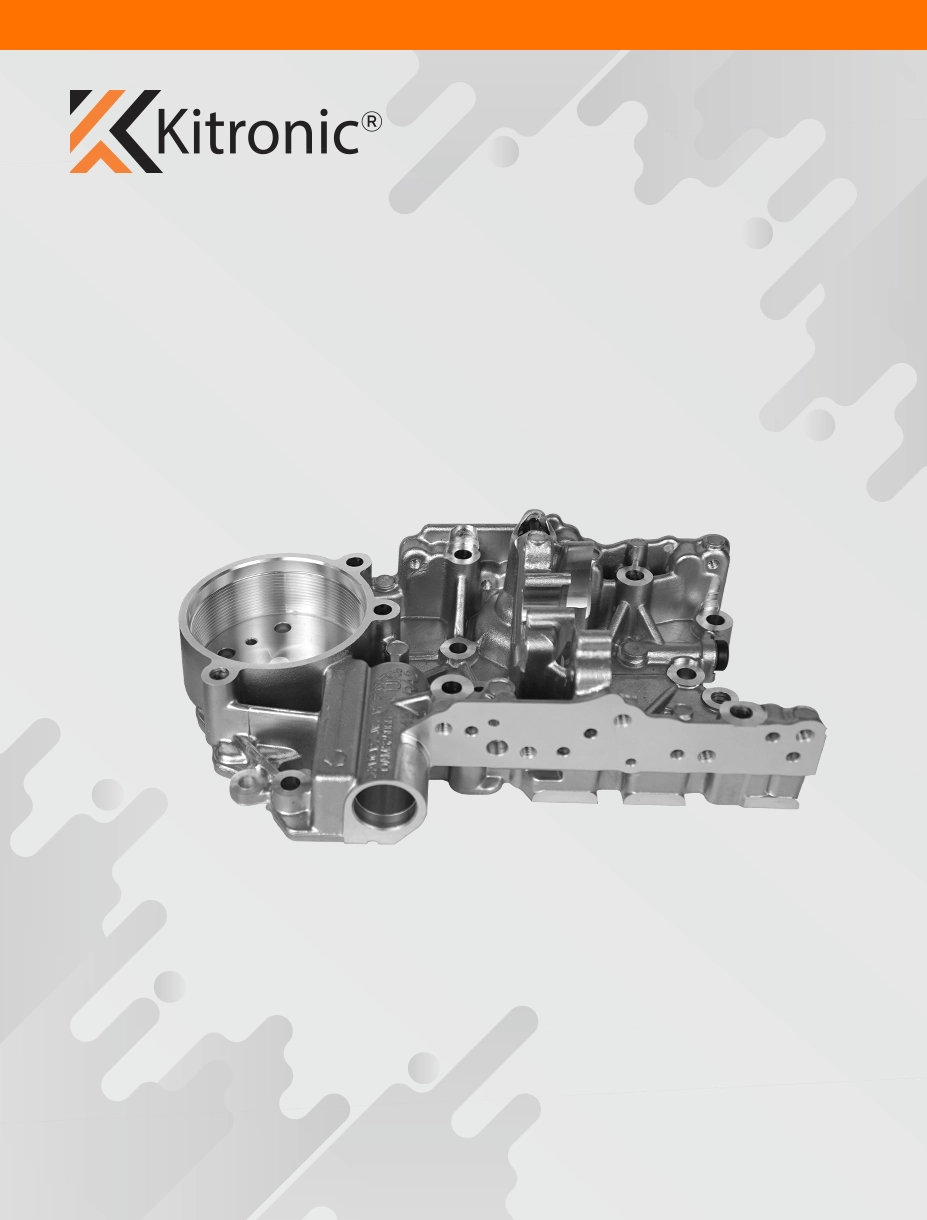
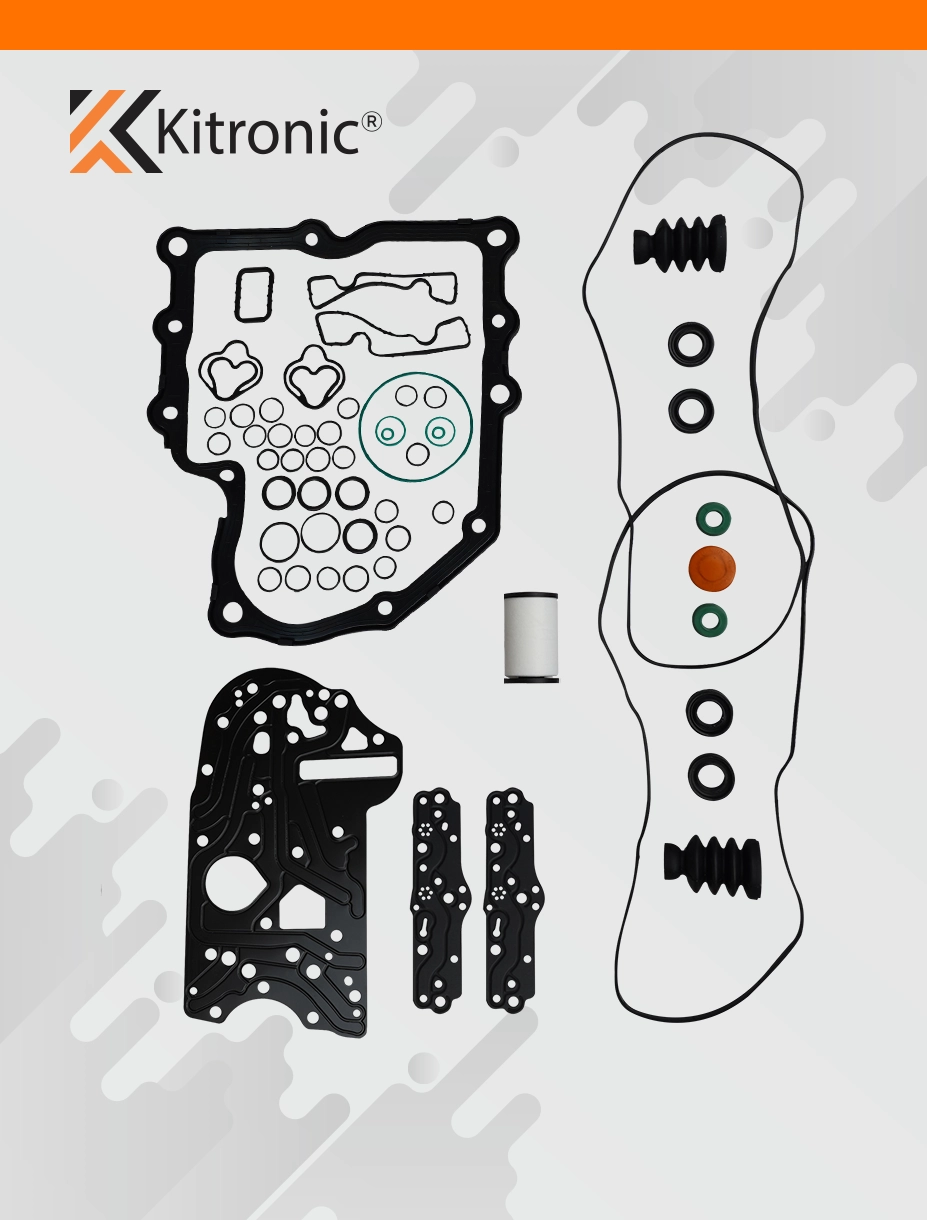



The mechatronic unit provides an important link between a transmission’s mechanical functions and electronic control. Hydraulic pressure management, sealing and interaction between components need to be considered together. Understanding a part means looking beyond the component itself to the circuit and operating conditions around it.
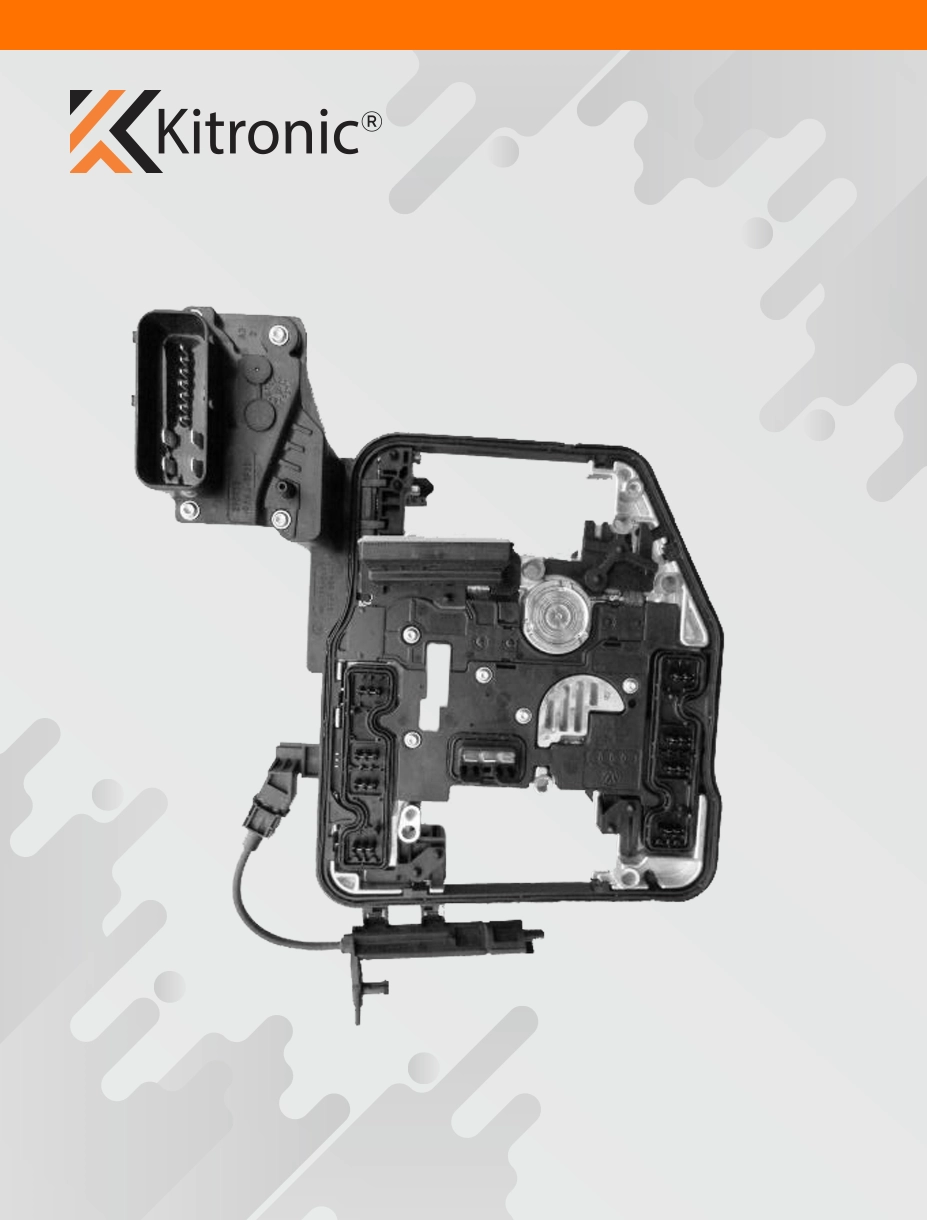
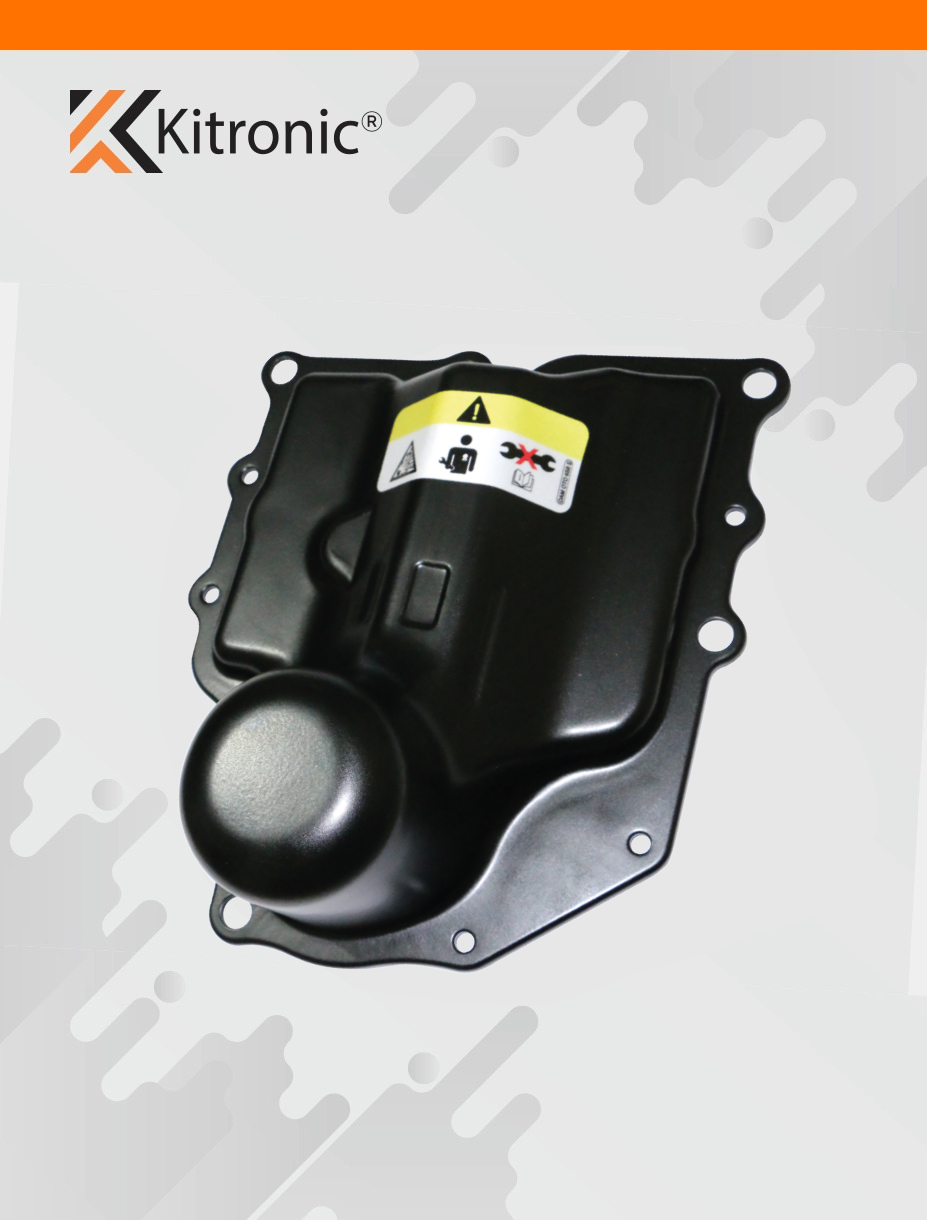
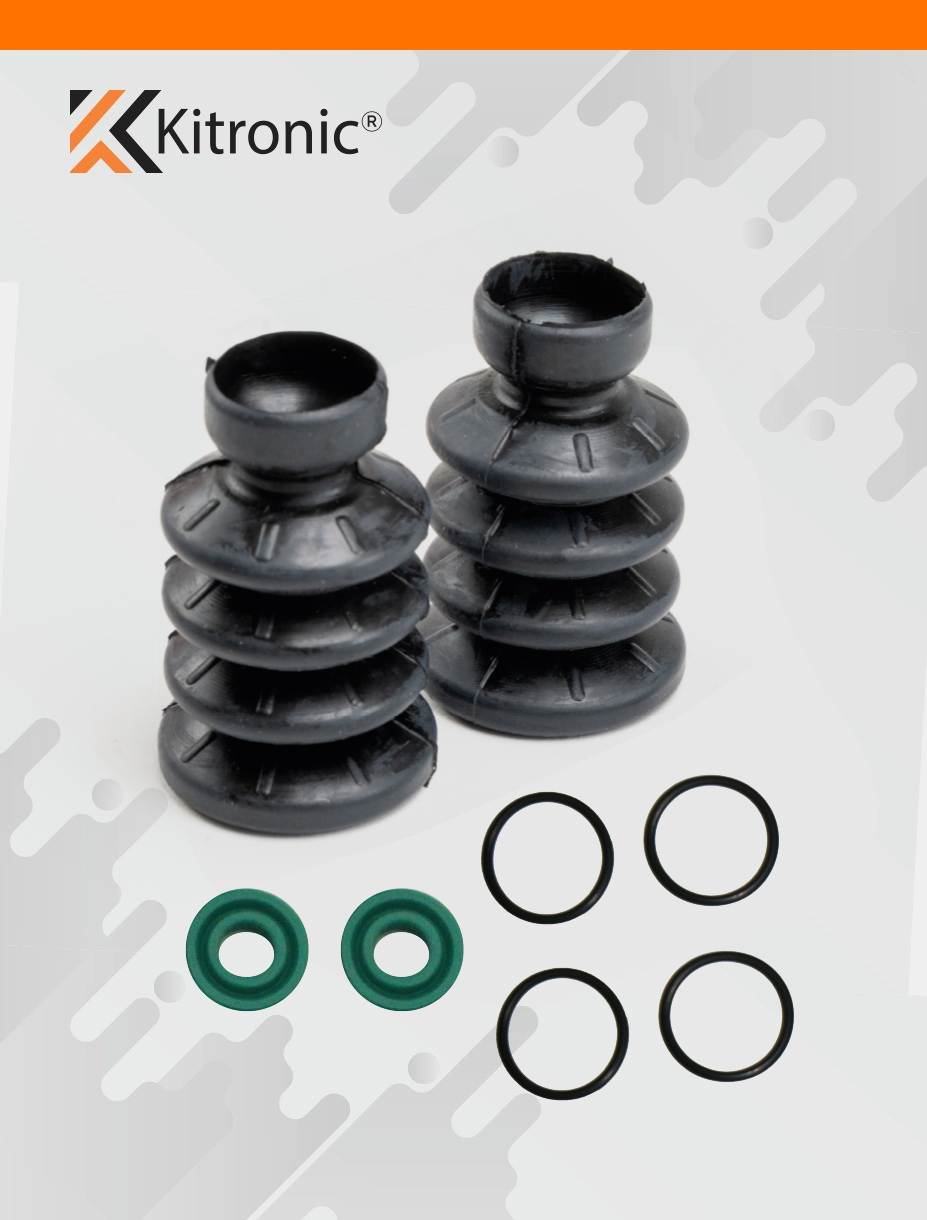
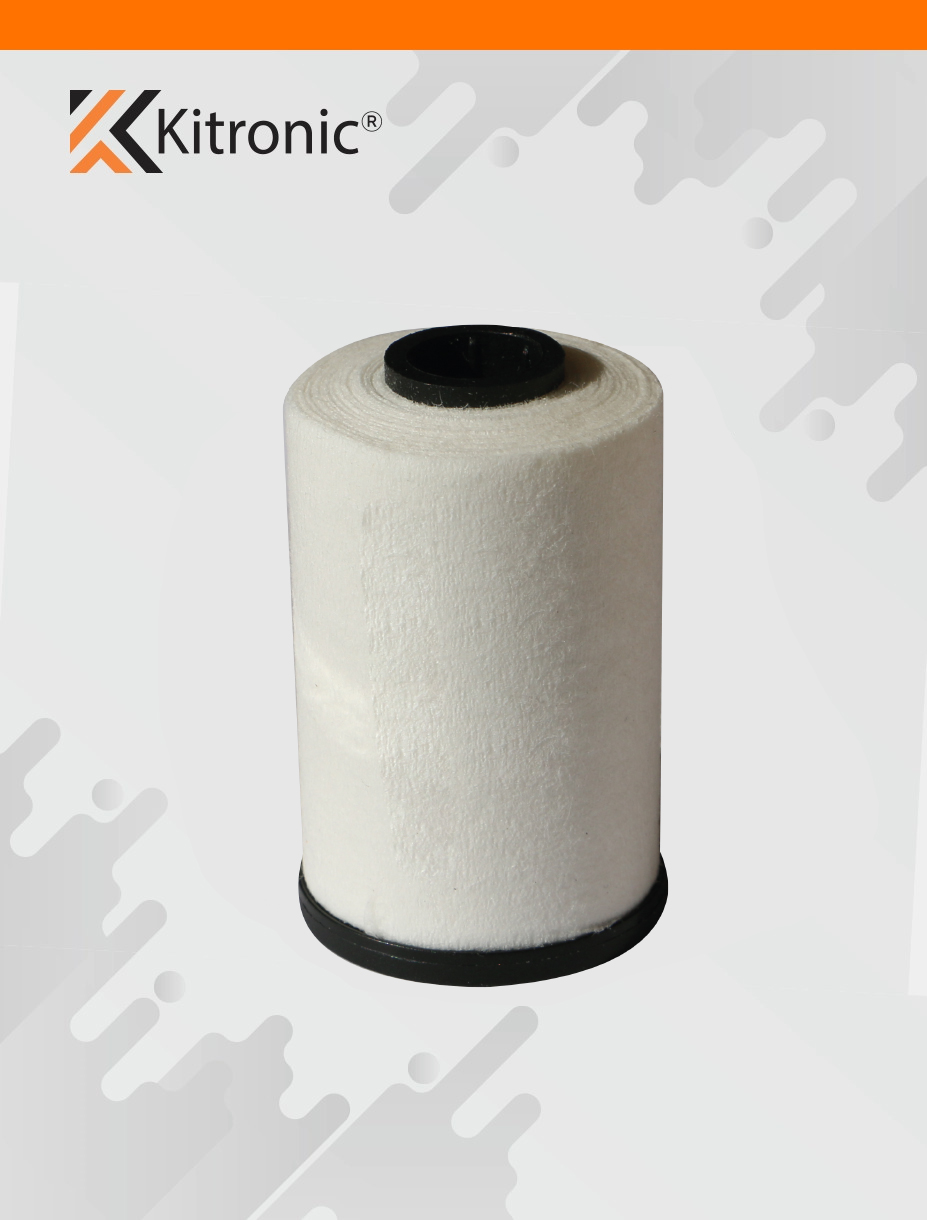
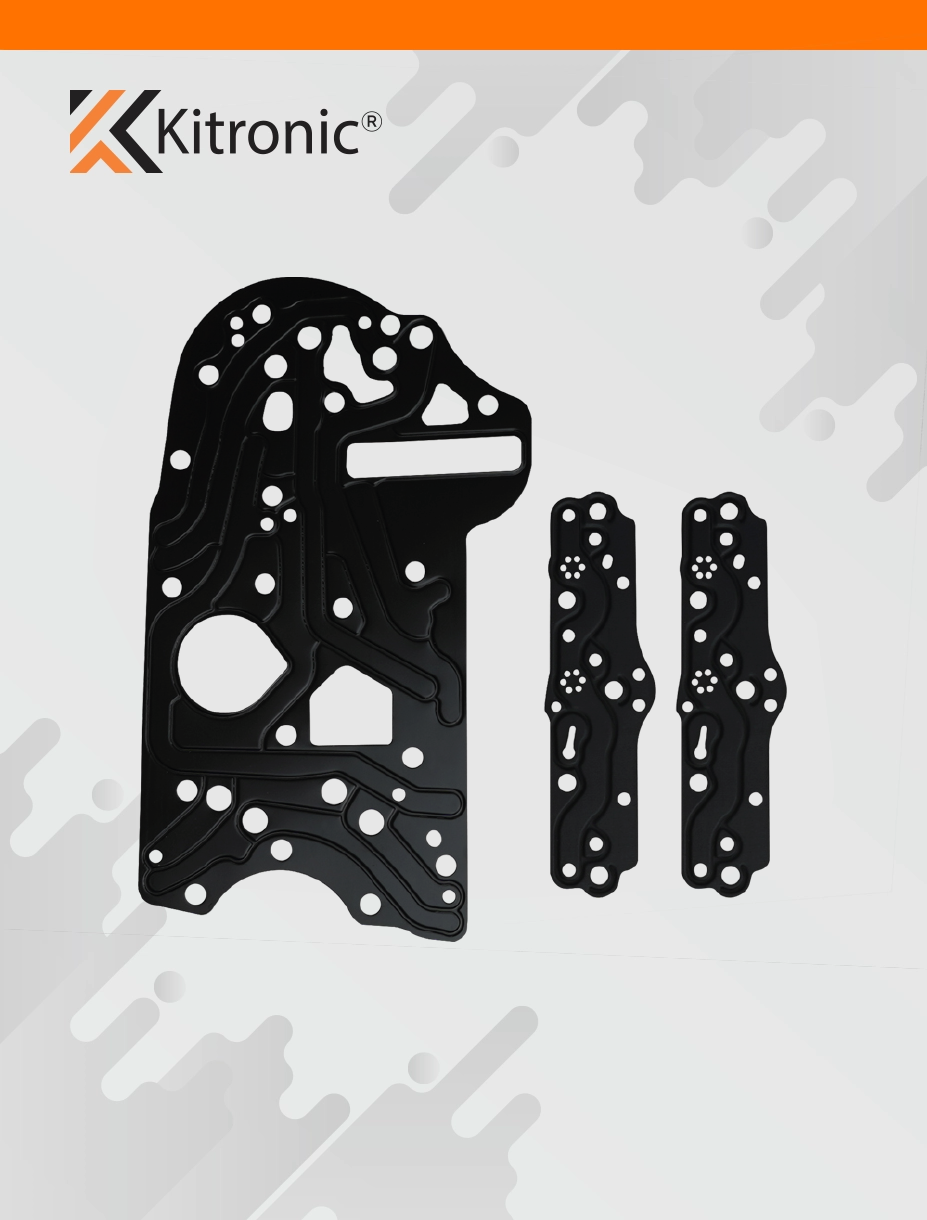
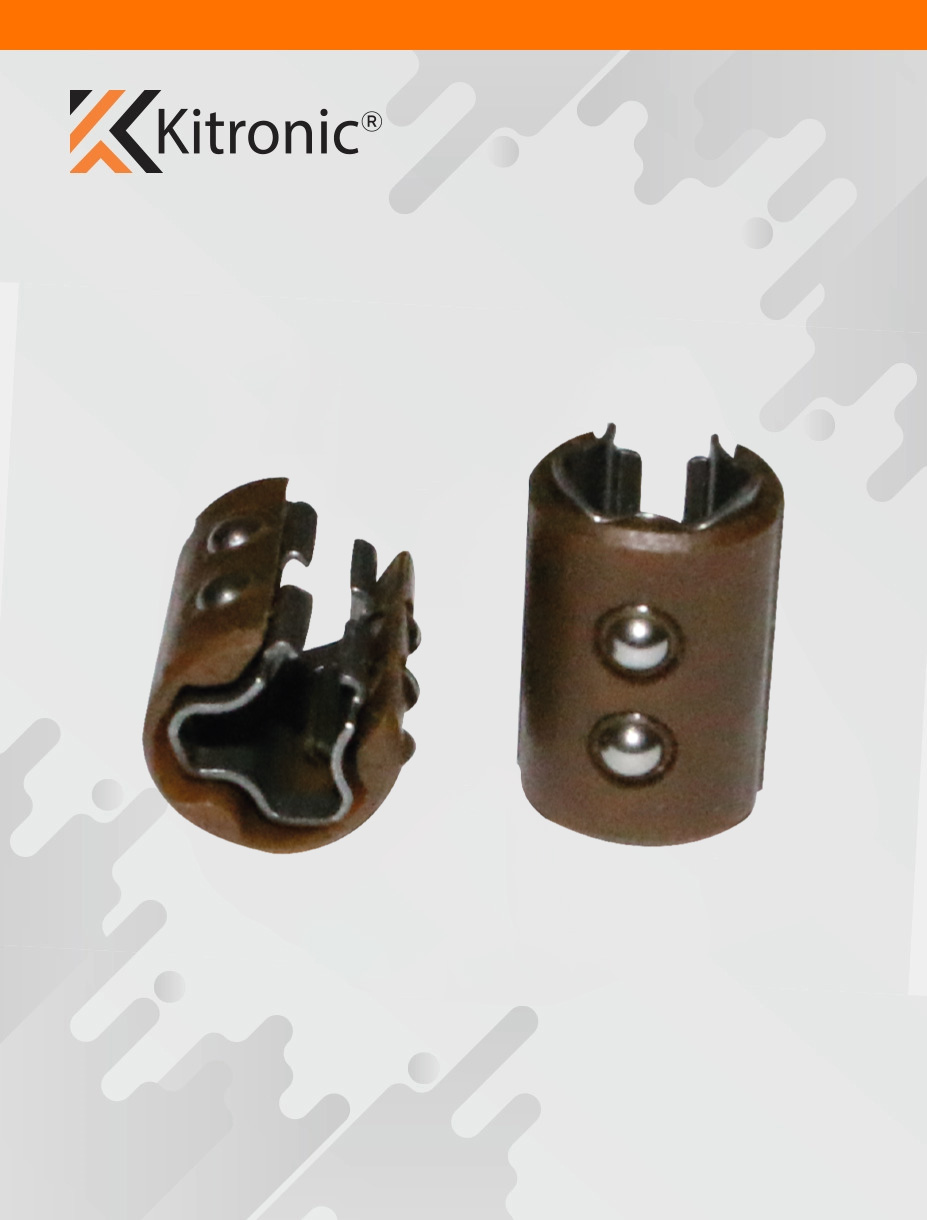
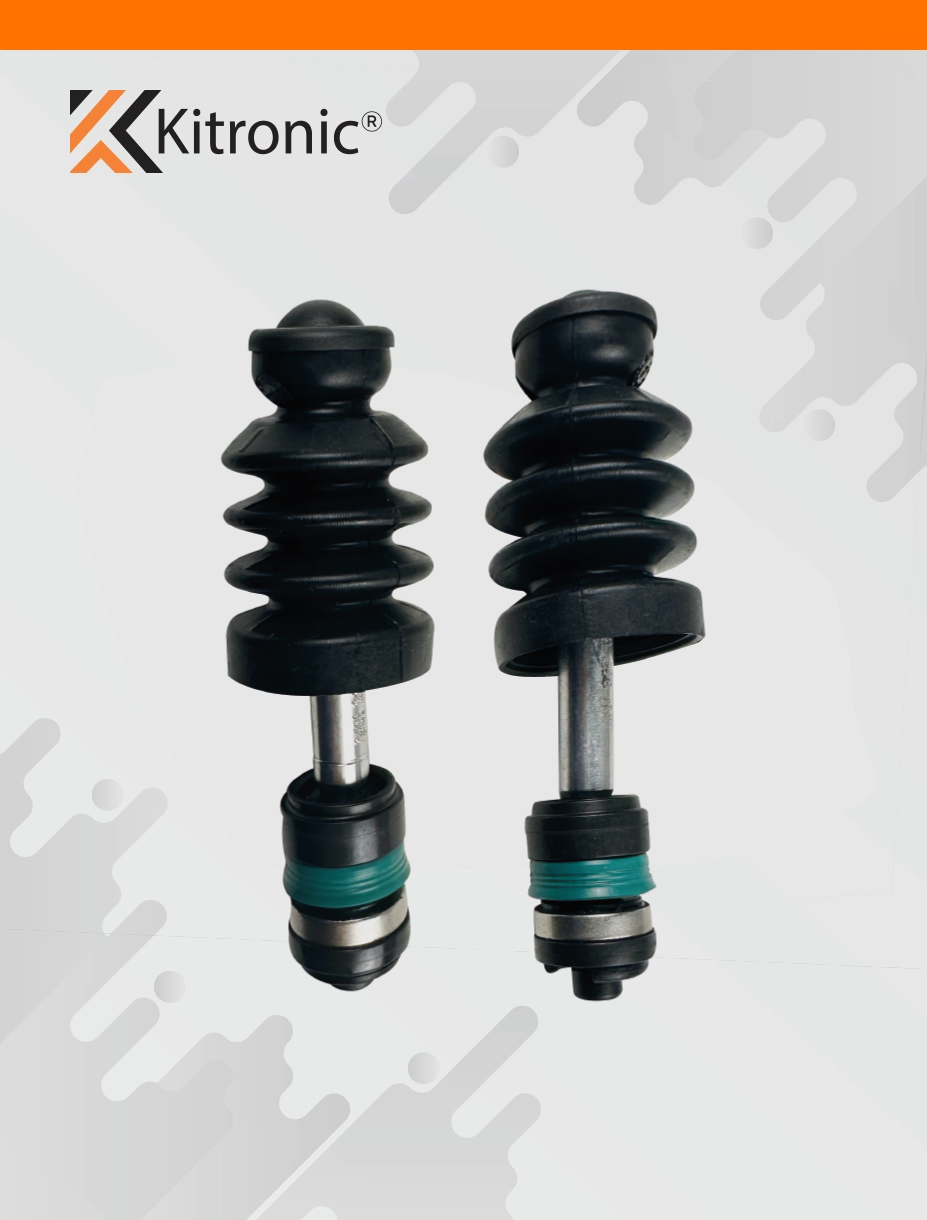
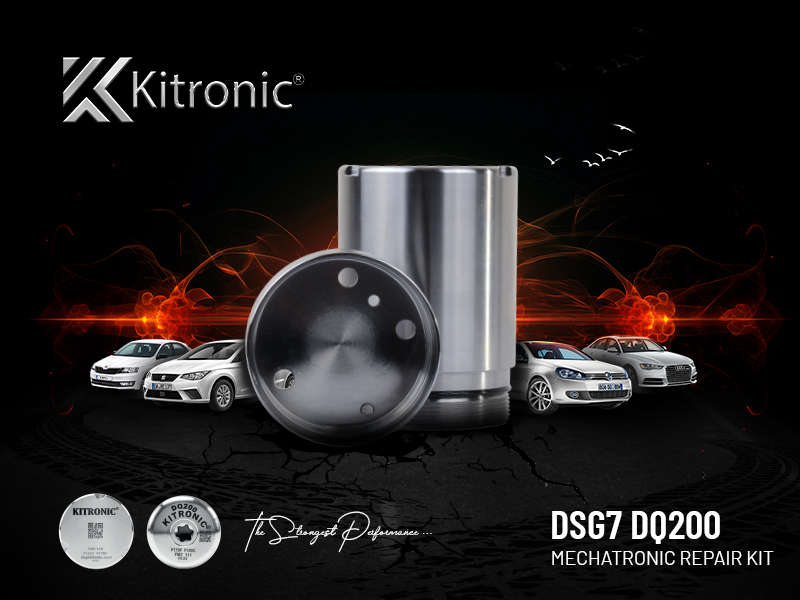
This system perspective informs our product focus. Accumulators, mechatronic valve bodies, circuit boards and gasket kits perform different tasks, yet may be related within the same repair process. Clear part numbers, connection details and application information are therefore important. Product matching should take the complete system into account.
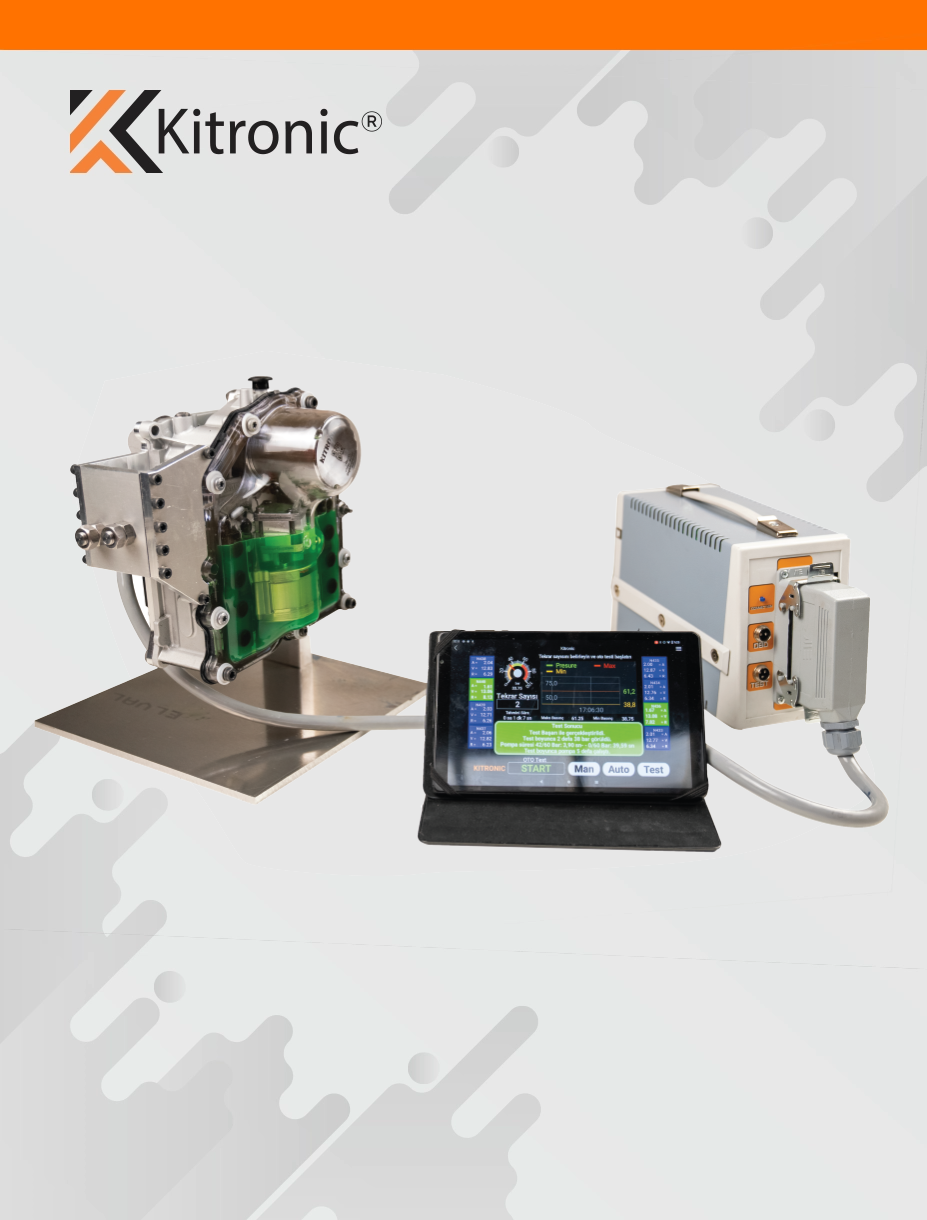
Understanding how a product operates is as important as knowing what it does. Dynamic and static tests help provide information about a component’s construction and operating behaviour. The purpose, conditions and function under examination determine how a result should be interpreted.
We see mechatronic test equipment as a tool that supports this assessment. Supported units, connection arrangements and test scope should be clarified in advance. Bench results do not replace every operating condition in a vehicle; they gain meaning alongside fault records, workshop observations and relevant technical documentation.
Our aim is to support an approach that places technical information in context rather than drawing conclusions from a single symptom. We value the complementary roles of function and measurement in product development and application assessment.
Knowing a product’s technical features must be complemented by understanding its intended application. The same vehicle model may have different engine and gearbox options, while similar-looking parts may represent different revisions. Compare the gearbox code, existing component number and product references rather than choosing by vehicle name or photograph alone.
Technical communication is a natural part of this process. Clarifying kit contents, intended use and compatibility before ordering helps define the requirement. Label photographs, complete part numbers and observations shared by a workshop can support the assessment.
At DSG Kitronic, our aim is to present transmission product information clearly and help connect a requirement with the appropriate product. Questions and feedback from practical applications are also valuable in understanding needs that inform our development approach.