




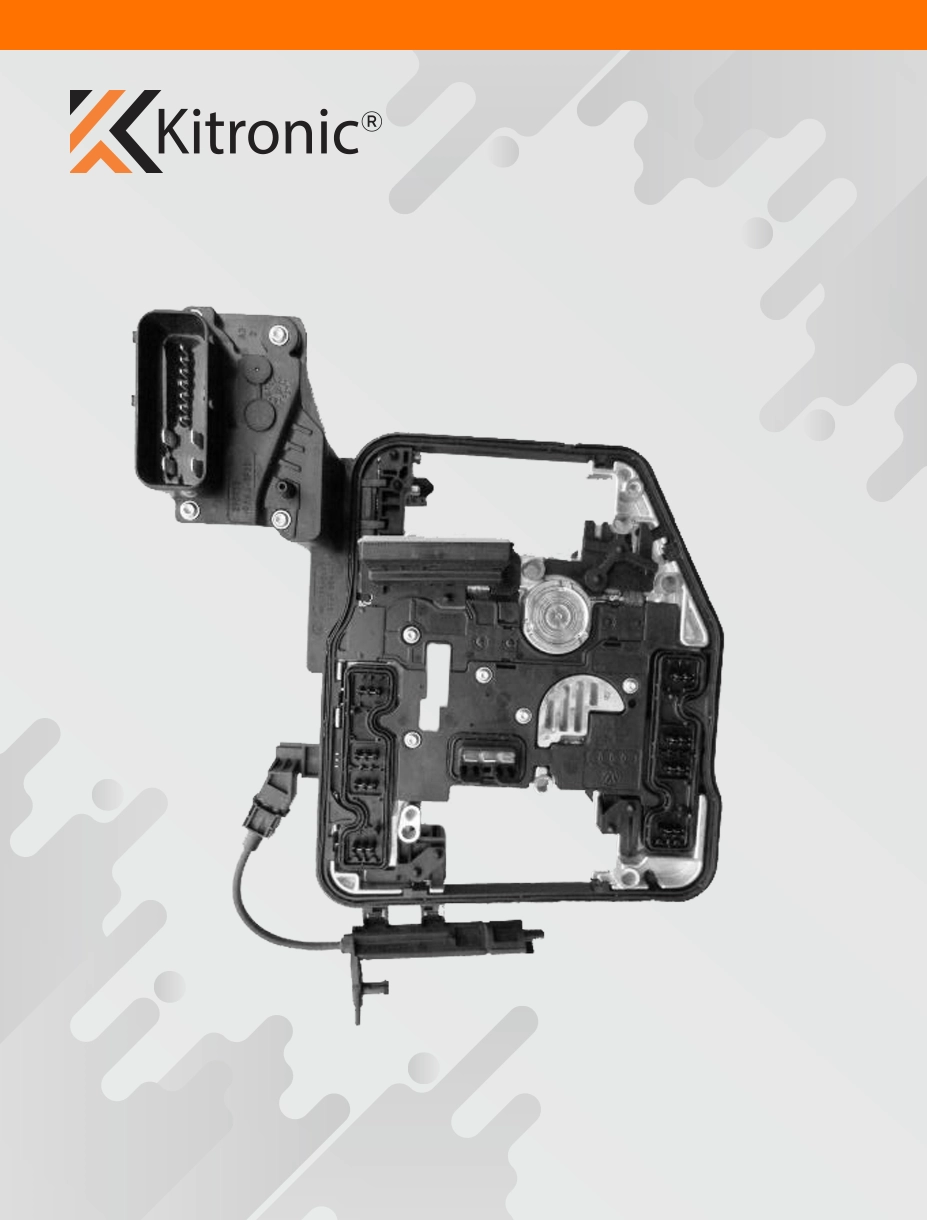
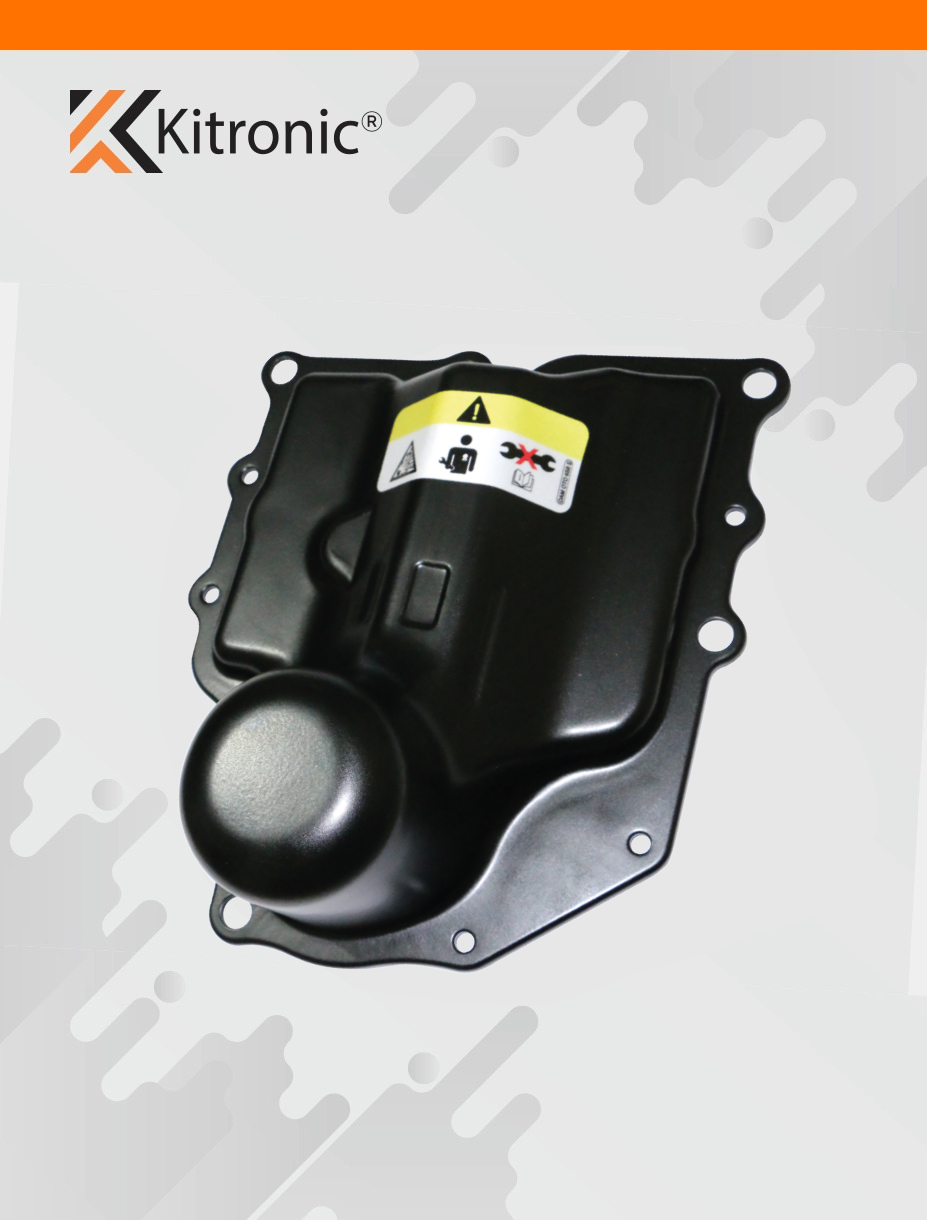
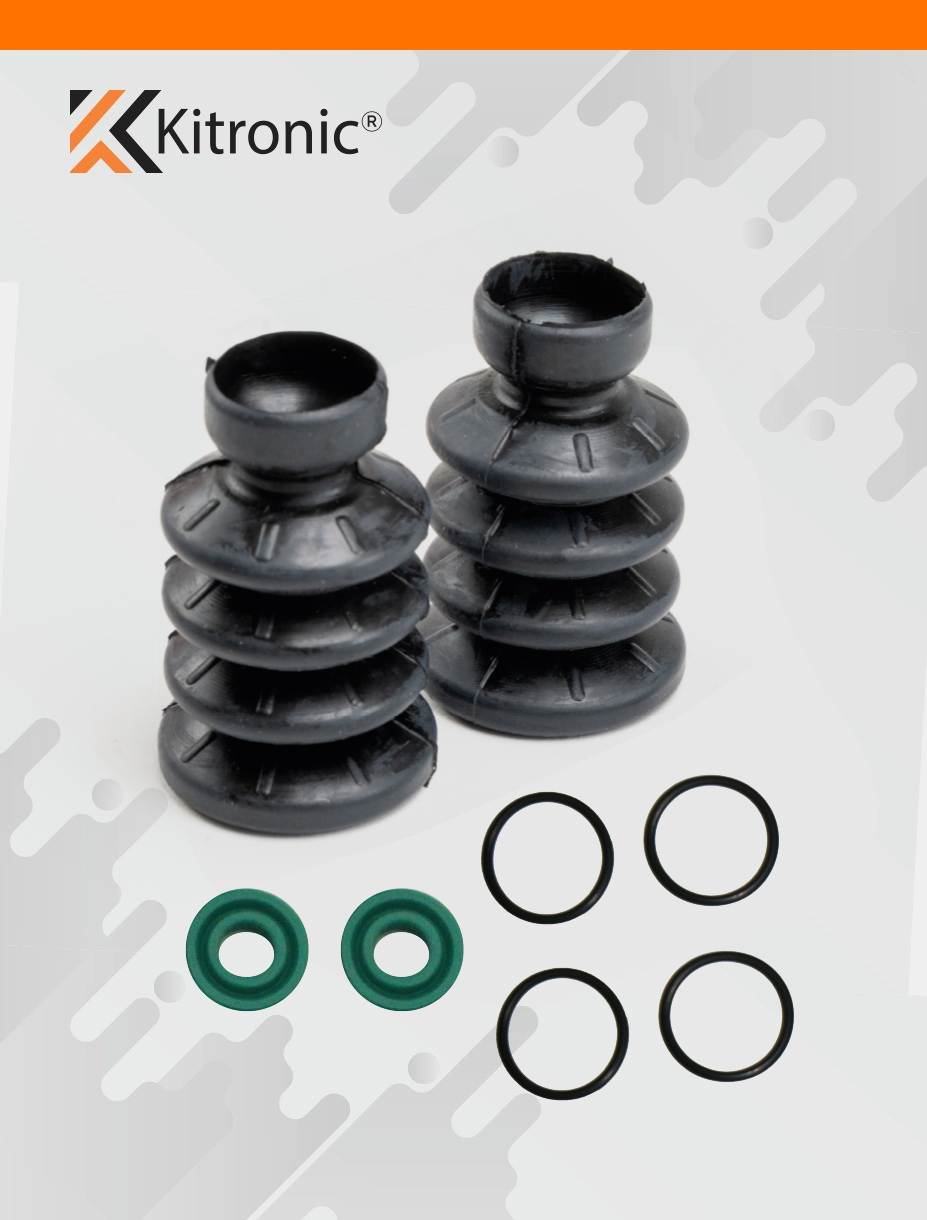
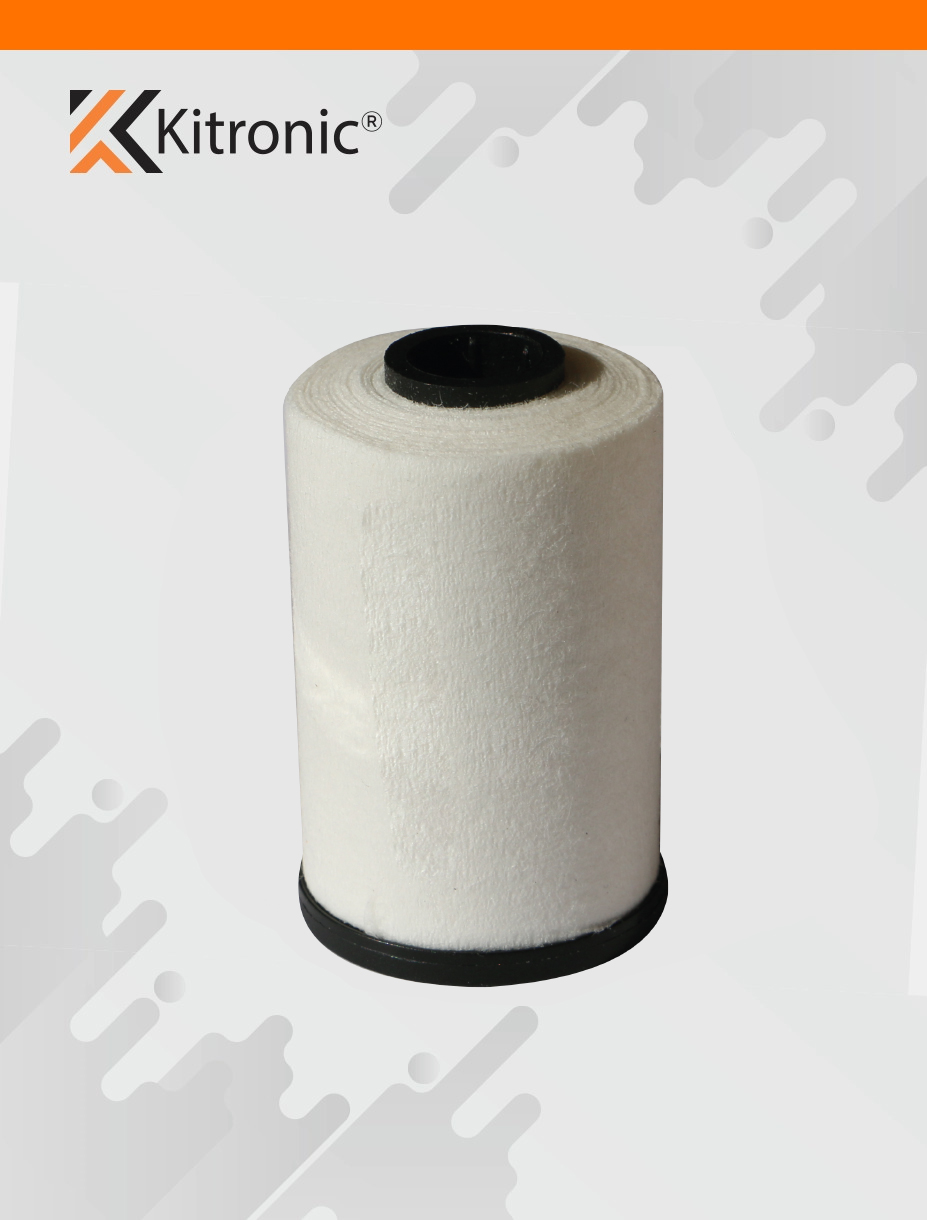


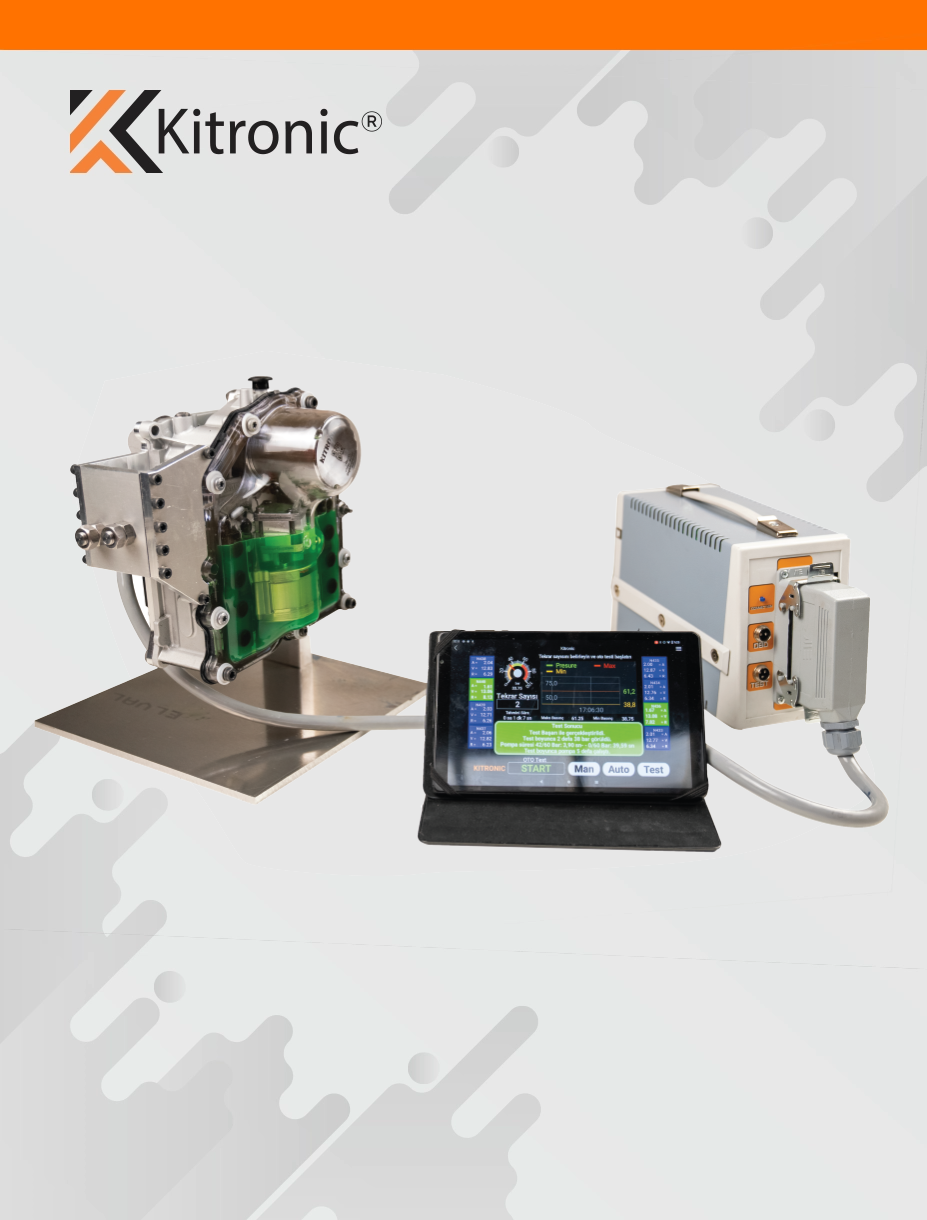
A mechatronic repair involves assessing how the unit operates as well as addressing visible damage. An appropriate test setup can help compare observations before and after repair. Its value depends on understanding the equipment’s scope and the method being applied.
Define the purpose of the test
Fault investigation, pre-repair assessment and post-repair checks answer different questions. Be clear about which function is being examined and under what conditions. When choosing equipment, review supported units, connections and documentation rather than relying on a product name alone.
Compatibility applies to test equipment too
Confirm the code and revision of the mechatronic unit to be tested. Compare connection arrangements, adapters and required equipment against the device documentation. Equipment offered for DQ200 should not be assumed to support every other DSG family or revision.
One result does not describe the whole system
A result must be interpreted within the method and conditions used. A bench assessment does not automatically cover every operating condition on the vehicle. Consider the results alongside vehicle fault records and workshop observations.
Compare before-and-after records
Record the unit identity, work performed and test conditions. Comparable records make it easier to assess an intervention. Confirm the meaning of measurements, reference values and acceptance criteria in the relevant equipment and service documentation.
Ask about scope before choosing equipment
Request information on supported applications, necessary accessories, operating documentation and technical support. Do not assume functions that are not stated on a product page. When considering equipment such as YMZ 301, confirm suitability for your intended work with the technical team.